

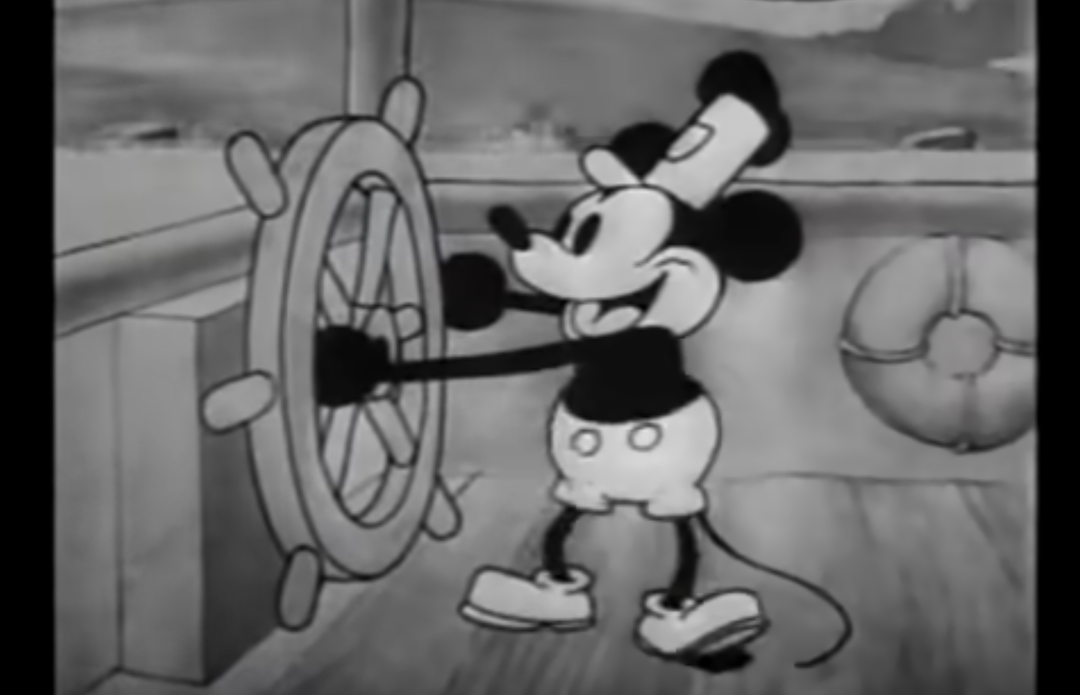
Video screenshot via Walt Disney Animation Studios
Disney’s iconic Steamboat Willie—with the early incarnation of Mickey Mouse in tow—sailed into the public domain on January 1, offering artists and creators new horizons for exploration. And as they say, when the cat (Disney) is away, the mice will play. Mere hours after the character’s liberation, a horror video game featuring a deranged version of the cartoon favorite was announced.
The shift to the public domain means that the specific Steamboat Willie version of Mickey Mouse can now be used freely without needing Disney’s nod or facing the risk of hefty fees. This opens a floodgate of creativity, allowing for the character’s use in various mediums, from art and education to parodies and games.
Disney, the longstanding custodian of the Mickey Mouse character, acknowledges this transition but cautions that it won’t hesitate to activate the claws when necessary. Subsequent iterations of the beloved mouse remain safely moored under the company’s copyright and trademark laws.
“More modern versions of Mickey will remain unaffected by the expiration of the Steamboat Willie copyright, and Mickey will continue to play a leading role as a global ambassador for the Walt Disney Company in our storytelling, theme park attractions, and merchandise,” a Disney spokesperson tells numerous media outlets in a statement.
Understand the copycat and mouse game
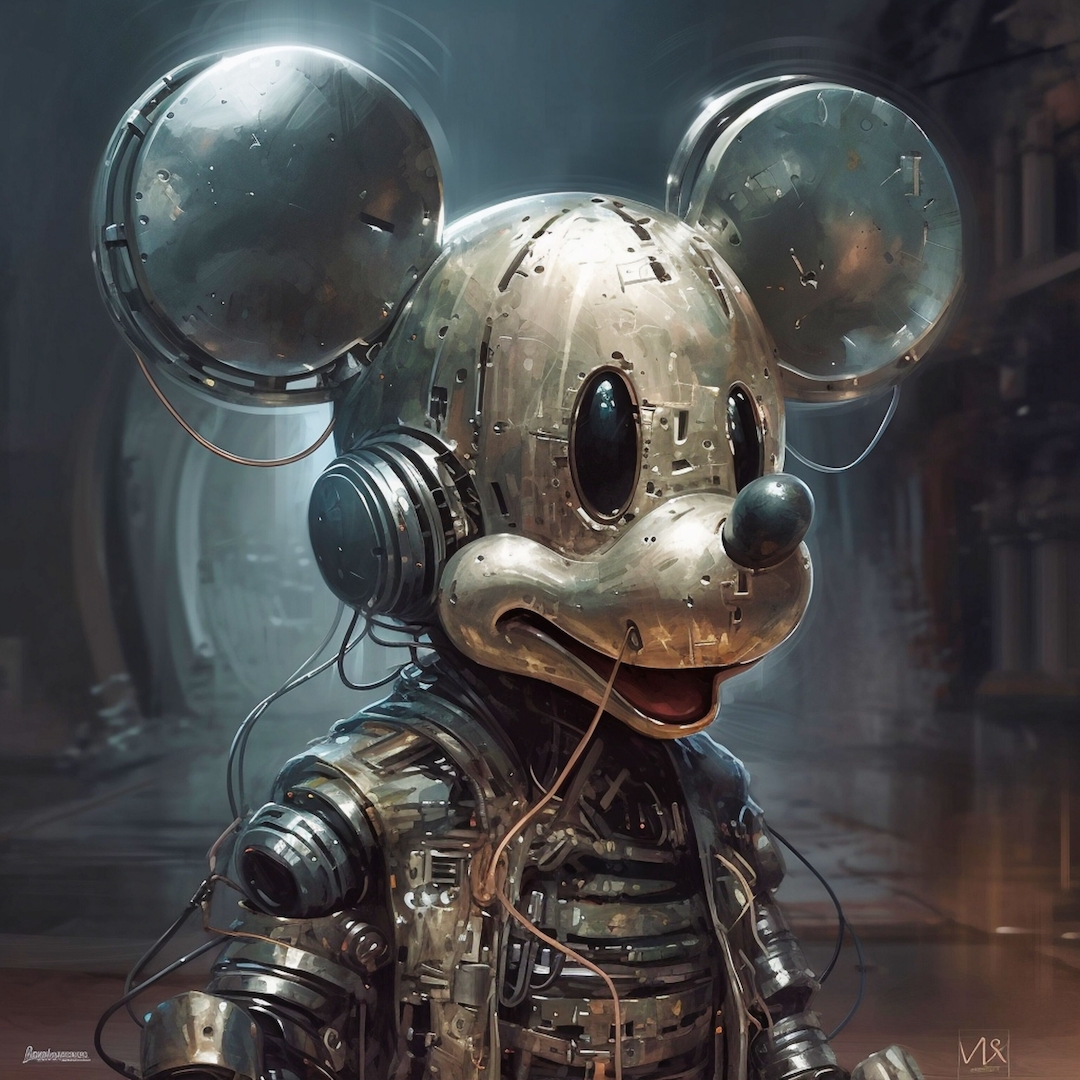
Illustration 296075442 © Pietro Artem | Dreamstime.com
Before they get trigger-happy with Mickey Mouse, creators will need to understand that the 1928 depiction from Steamboat Willie is what’s entering the public domain, and that the modern-day character is trademarked by Disney. This means you can reenvision this specific version of Mickey without needing permission or paying licensing fees. However, recognize that this freedom applies solely to the character as portrayed in that specific film.
Modern versions of Mickey Mouse, with their evolved features and characteristics, remain under Disney’s copyright protection. The 1928 Mickey lacks the later-added distinctive gloves, expressive eyes, outsized shoes, and high-pitched voice and richer personality traits of more current iterations. Your creative use should reflect the historical version to avoid infringing on intellectual property.
…Or prepare to get pounced on
“We will, of course, continue to protect our rights in the more modern versions of Mickey Mouse and other works that remain subject to copyright, and we will work to safeguard against consumer confusion caused by unauthorized uses of Mickey and our other iconic characters,” Disney further expresses in its statement.
As such, while the public domain status allows for broad use, it doesn’t mean all bets are off. Disney is notoriously vigilant in protecting its brand—it did help inspire what is informally known as the Mickey Mouse Copyright Act, after all.
Whatever you do, ensure that your work doesn’t imply any association or endorsement by Disney when using the character. If your project ventures into commercial territory, consider how it might be perceived in terms of brand dilution or trademark infringement.
Importantly, copyright laws can also vary significantly from country to country. Steamboat Willie’s Mickey might be in the public domain in the United States, but the same may not apply elsewhere. If you’re planning to distribute your work internationally, research and understand the specific copyright and trademark laws relevant to your target markets.
Overall, the entry of Steamboat Willie into the public domain opens up new opportunities for creative expression, but it also requires careful navigation. In other words, Mickey Mouse around, but not too liberally.
[via Deadline, Associated Press, CNN, NPR, images via various sources]

by rrollins

Recent Comments